Navigating Intimacy: Can Oral Herpes Transmit During Intercourse?

Navigating intimacy starts with trust and understanding the facts.
One of the most common sources of anxiety in relationships involving Herpes Simplex Virus (HSV) is the fear of the unknown. Specifically, many couples worry about the mechanics of transmission: "If I have a cold sore on my lip, can I give my partner genital herpes just by having sex?"
This fear often stems from a misunderstanding of how the virus lives in the body. When we don't fully understand the biology, our minds fill in the gaps with worst-case scenarios, leading to unnecessary abstinence and stress. Today, we are going to clear up the confusion regarding "labial herpes," explain how transmission actually works, and help you navigate intimacy with confidence.
How Does Herpes Transmission Actually Work?
To understand risk, you must first understand site specificity. When a person contracts HSV (whether Type 1 or Type 2), the virus establishes latency in a specific group of nerve cells, known as a ganglion, near the site of the original infection.
Oral Infection: The virus lives in the trigeminal ganglion near the ear/cheekbone. It travels down the nerves to the mouth/face.
Genital Infection: The virus lives in the sacral ganglion at the base of the spine. It travels down the nerves to the genital region.

Understanding the biology of site specificity helps dispel fear.
The Critical Fact: The virus does not roam freely through your bloodstream or body like a flu virus. It is anchored to the nerve path where it lives. Therefore, if a partner has an oral infection (a cold sore), the virus is shedding from their mouth. It is not shedding from their genitals.
For transmission to occur, there must be direct contact between the infected site (the mouth) and the partner's mucous membranes or skin. If there is no contact with the mouth, meaning no kissing and no oral sex, the virus cannot magically teleport from the lip to the genitals during intercourse.
What Is "Labial Herpes" and Why Is It So Confusing?
A significant amount of anxiety comes from medical terminology that sounds alarming. In medical literature, cold sores are often referred to as Herpes Labialis.
Labial: Relating to a lip (from the Latin labium).
Labia: The folds of skin at the opening of the vagina.
Because the words sound nearly identical, many people hear "labial herpes" and immediately assume it refers to the female genitals. However, in a medical context, unless specified otherwise, "labial herpes" usually refers to the lips of the face. This confusion can lead to panic, with partners assuming a facial cold sore implies a genital infection. Clear communication and understanding the correct terminology can save couples a lot of heartache.
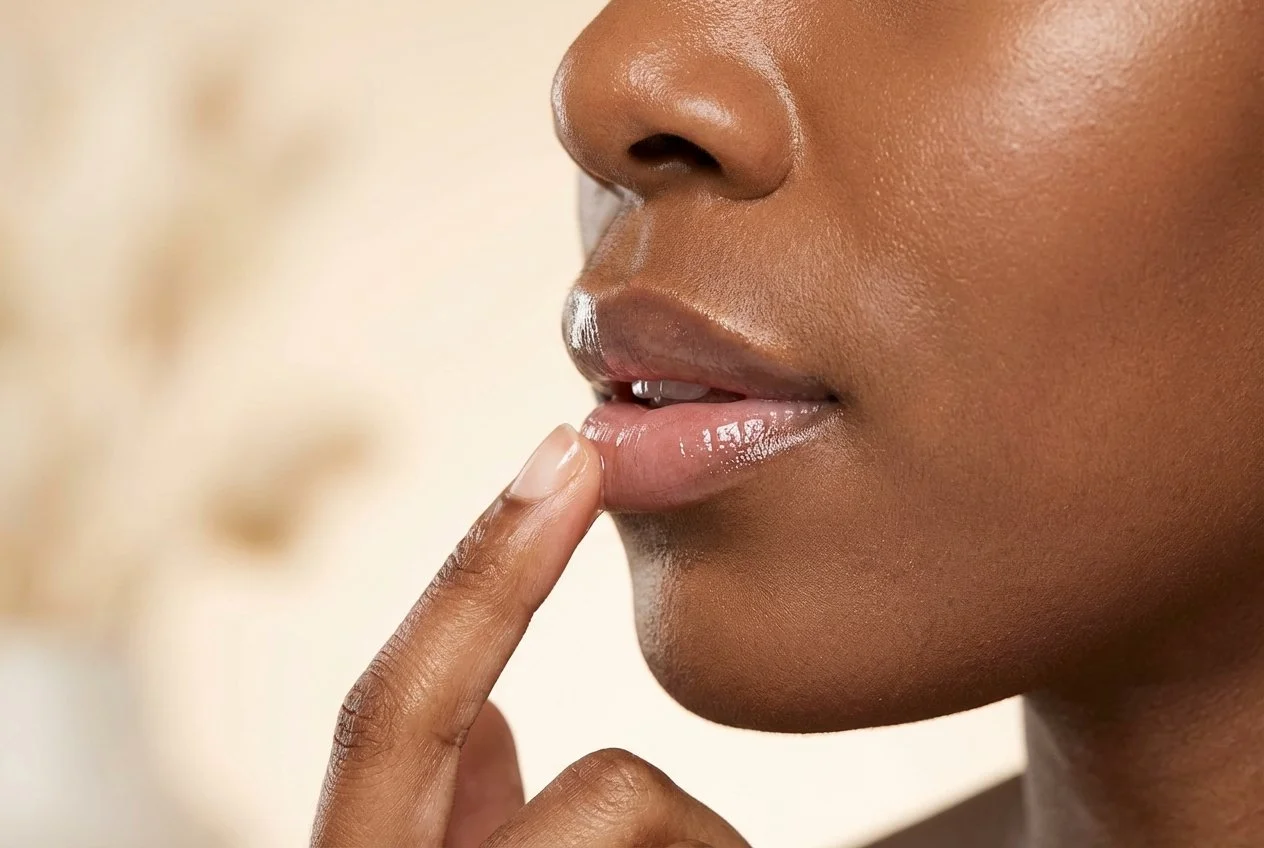
In medical terms, 'labial' simply refers to the lips of the face.
Is It Safe to Be Intimate During an Oral Outbreak?
Yes, intimacy is possible, provided you understand the boundaries of the virus. If a partner has an active cold sore (Herpes Labialis), or is experiencing "prodrome" symptoms (tingling or itching before a sore appears), they are highly contagious at that specific site.
To protect your partner, you should follow these guidelines during an outbreak:
No Kissing: Avoid mouth-to-mouth contact.
No Oral Sex: Do not let the infected mouth touch the partner's genitals. This is the primary way oral HSV-1 becomes genital HSV-1.
Hands Off: Avoid touching the cold sore and then touching your partner. Wash hands frequently.
If these rules are followed, engaging in protected or unprotected genital intercourse is generally considered safe regarding the herpes virus, because the virus is not present in the genital fluids of the partner who only has an oral infection.

Intimacy is possible even during an outbreak if boundaries are respected.
How Can We Support Our Immune Health Together?
Managing herpes is as much about lifestyle as it is about avoidance. Stress is a major trigger for outbreaks, and the anxiety surrounding transmission can ironically cause the very outbreaks you are trying to avoid. Focusing on a healthy lifestyle, adequate sleep, low stress, and a balanced diet is essential.
Many people also look for additional ways to support their immune system. Some research explores the use of supplements like monolaurin, a fat derived from lauric acid (found in coconut oil), which is often used by those seeking natural immune support options. Taking proactive steps to manage your health can empower you and reduce the feeling of helplessness that often accompanies a diagnosis.

Supporting your immune system with a healthy lifestyle is key to management.
Conclusion
Intimacy shouldn't be governed by fear. By understanding that herpes transmission requires direct contact with the infection site, you can make informed decisions that keep both you and your partner safe without sacrificing your connection. Trust the science, communicate openly, and breathe.
To learn more about how to regain control over your health, visit Frustrated with Traditional Solutions?