Towels, Boundaries, and Calm: Caring for Your Space When a Family Member Has HSV-2
“It feels intentional. He grabs my pink towel again and again. Could that make me sick?”
You’re not alone. When someone at home lives with herpes (HSV), fear, anger, and exhaustion can show up fast. Breathe: this isn’t about “failing” at hygiene, it’s about understanding how HSV spreads and setting healthy boundaries.
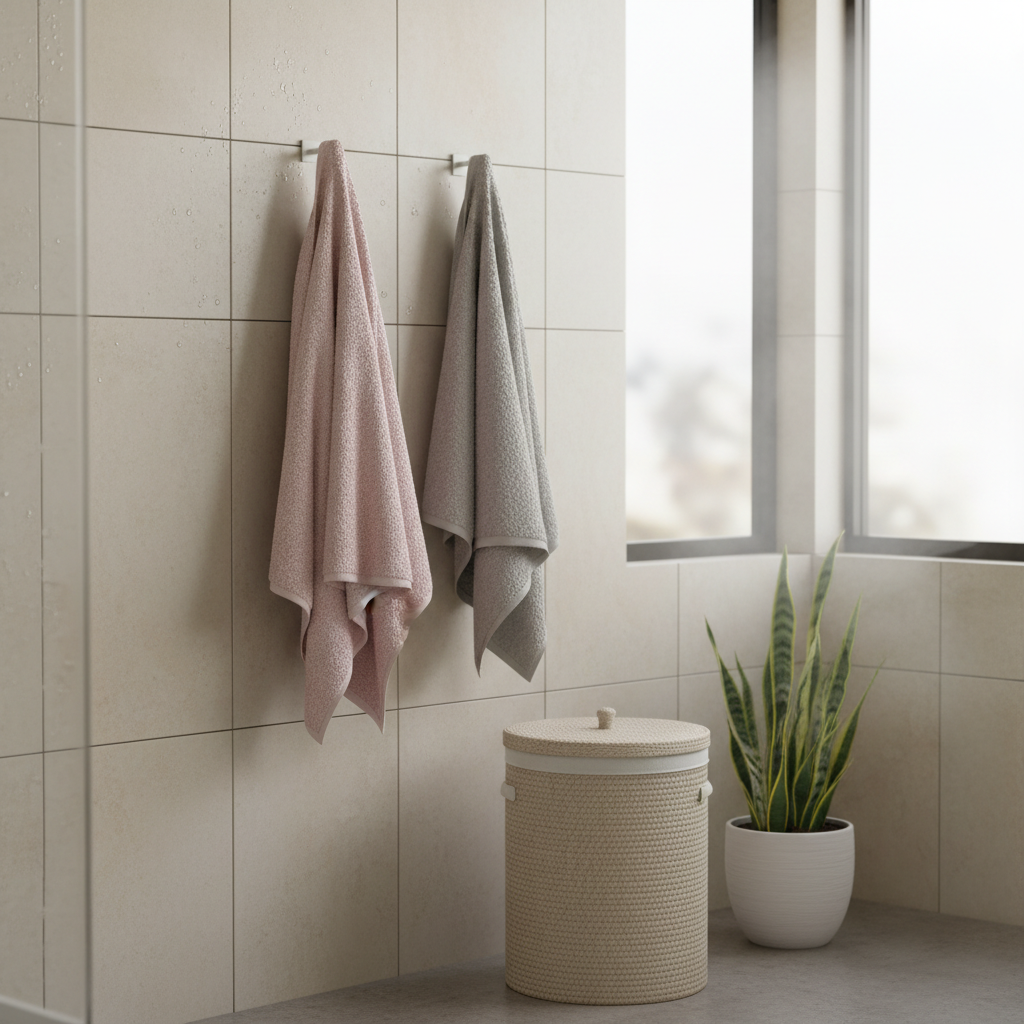
Can I catch herpes from a body towel or shower rag?
The short answer: extremely unlikely. HSV-2 spreads mainly through direct skin-to-skin contact with the area where the virus is active (genital contact during sex; for HSV-1, kissing when there’s oral activity). In everyday life, objects like towels aren’t a meaningful route because HSV doesn’t survive well on surfaces and needs close contact with skin or mucosa to transmit.
That said, labs can sometimes detect HSV on damp surfaces for a while, but they cannot detect real-world infection. Clinical guidance still treats towels as a non-significant risk pathway.
Simple, effective steps (do these today)
Personal textiles: one towel and one rag per person, clearly different colors, on separate hooks, or keep yours in a lidded hamper.
Laundry: hot water + regular detergent; normal home washing inactivates HSV and also reduces bacteria that can spread via shared towels.
Don’t share: razors, tweezers, loofahs/soap bars, and especially sex toys.
During an outbreak: the person with active lesions should use their own towel and avoid sharing anything that touches the area.
Ethical note on supplements: options like monolaurin or general immune support can be part of self-care for someone who already has HSV, but they don’t prevent transmission via objects. Always discuss with a healthcare professional.
Does stress make this worse?
Stress doesn’t “create” herpes, but it can amplify anxiety and may trigger symptoms in someone who already has HSV. Feeling like your space is being invaded keeps your nervous system on high alert.
Small rituals to restore safety
Clear boundary + immediate action: install a hook with your name and store your towel in your room after use.
Shower breathing 4–6: inhale 4 seconds, exhale 6; repeat for 2 minutes to dial down the body’s alarm.
Peace log: write 3 things you control today (e.g., “washed my towels,” “moved my rag,” “spoke calmly about boundaries”).
Pro tip: keep a lidded hamper in your room for all textiles. A little control can reduce a lot of anxiety.
How do I set boundaries with my brother without blowing up?
You can live normally, protect the relationship, and protect your things. Separate the issues: the virus doesn’t leap via towels; the problem here is respect for boundaries, and that’s solvable.
A short, stigma-free script
Observation: “I’ve noticed you’re using my pink towel and my shower rag.”
Impact: “That makes me feel invaded and worried about hygiene.”
Boundary: “From today, I’m keeping my textiles here. Please don’t use them.”
Alternative: “There are clean towels here for you.”
Consistency: if it happens again, remove your items from the bathroom. Don’t argue; repeat the boundary.
Calming reminders
Your health isn’t at risk from that towel in ordinary circumstances; the HSV risk from objects is practically nil.
Setting boundaries is self-respect, not punishment.
Speaking without blame lowers defensiveness and improves cooperation.
Understanding HSV transmission reduces fear; simple rules bring peace back to your bathroom, and your mind. You can live, love, and share space without panic, and still hold your line.
Keep learning
Learn about genital herpes (HSV): transmission myths vs. facts. Here are some information that may help: Regain Control Over Your Health
Hygiene basics everyone benefits from (laundry, not sharing razors/loofahs).
Communication tools for boundaries at home and with friends, because sharing herpes facts reduces stigma and builds respect.