Dating with HSV: Navigating Intimacy, Disclosure, and Confidence

Navigating intimacy requires trust, vulnerability, and mutual understanding.
"I caught HSV from my ex. I haven’t dated since we broke up. I’m nervous about how different dating will be now with HSV. I’m not the sort of person that casually hooks up with people. How did dating change once you got HSV? When and how do you tell people? Have you noticed any changes in the way people act around you?"
This sentiment, shared recently by a user on an online forum, captures the precise moment where medical reality collides with emotional vulnerability. The transition from diagnosis to dating often feels like crossing a chasm. The fear of rejection can feel heavier than the diagnosis itself. However, the anxiety surrounding dating with HSV often stems from stigma rather than science. By shifting the focus from fear to education, it becomes possible to navigate intimacy with clarity, self-worth, and confidence.
What is the actual medical reality of transmission?
Fear often thrives in the absence of data. When someone is newly diagnosed, the biggest worry is often the possibility of passing the virus to a partner. Understanding the mechanics of transmission is the first step toward regaining confidence. The virus spreads through skin-to-skin contact, but it is not constantly active. Transmission rates drop significantly when individuals are aware of their status and take precautions.
What role does viral shedding play? This occurs when the virus is present on the skin, sometimes without any visible symptoms. While this sounds alarming, studies show that asymptomatic shedding occurs less frequently over time. Many couples navigate discordance, where one partner has HSV and the other does not, for years without transmission occurring. This is achieved through a combination of awareness, barrier methods, and supporting the body's natural defenses.
How can immune support help? Many people explore avenues to bolster their immune system to help keep the virus dormant. Beyond prescription antivirals, there is interest in natural compounds. You might explore researched supplements like monolaurin or Lysine. Lysine is an amino acid often used to balance dietary arginine, while monolaurin is a fatty acid derived from coconut oil known for its potential immune-supporting properties. What does the research on monolaurin suggest? Some studies indicate it may disrupt the lipid envelope of certain viruses, potentially making it difficult for them to attach to host cells. By focusing on overall health, individuals often feel more in control of their physical well-being.
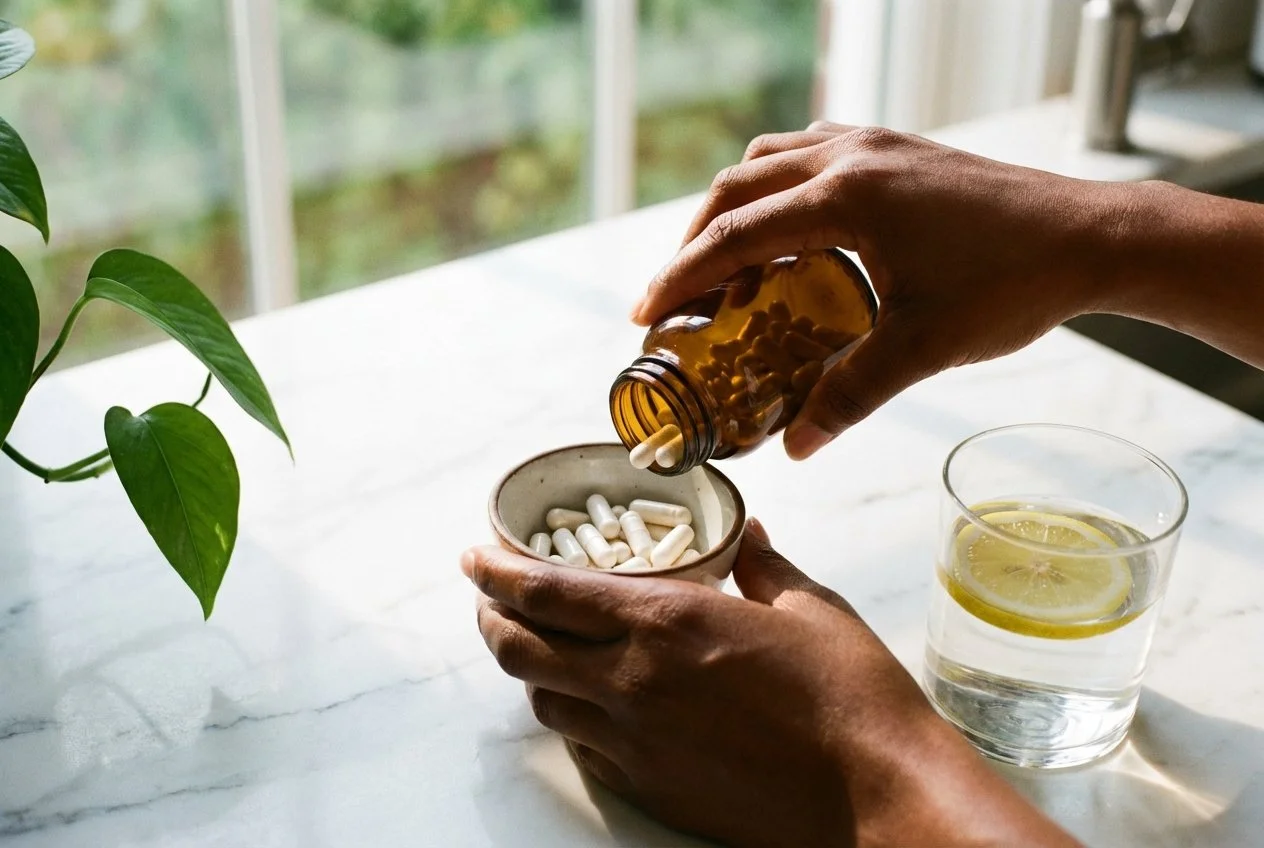
Supporting your body's natural defenses is a proactive step in managing your health.
Does stress directly affect your dating life and outbreaks?
The connection between the mind and the body is profound, especially when managing a chronic condition like HSV. High stress levels trigger the release of cortisol, a hormone that can suppress immune function. When the immune system is taxed by anxiety, the likelihood of a recurrence increases. This creates a challenging cycle where the stress of dating causes outbreaks, which in turn creates more stress about dating.
How can you break this cycle? It begins by reframing the narrative. Instead of viewing the diagnosis as a barrier, many find it helpful to view it as a health marker that requires attention, much like dietary needs or sleep hygiene. Integrating stress-reduction techniques such as mindfulness, regular exercise, and adequate sleep can have a tangible impact on physical health. When you approach dating from a place of calm rather than panic, your immune system benefits. Confidence is not just an attractive trait. It is a biological signal that you are at ease with yourself.

Reducing stress is not just mental self-care; it is a biological necessity for immune health.
When is the right time to have the conversation?
Disclosure is the most daunting aspect of dating with HSV for many people. The question of "when" and "how" has no single perfect answer, but there are strategies that prioritize honesty and comfort. Rushing to disclose on a first date might feel premature for some, while waiting until the moment of intimacy can feel pressured. Many find a middle ground works best, such as after a few dates when a connection is established but before sexual contact occurs.
Why is framing important? The way information is delivered often sets the tone for how it is received. If the disclosure is presented with shame or fear, the partner may mirror those emotions. Conversely, if it is presented as a manageable fact of life, the partner is more likely to react calmly. A simple script might involve stating the facts clearly, mentioning the precautions you take, and inviting questions. For example, one might say that they carry a common virus, they manage it with awareness and perhaps supplements like monolaurin or Lysine, and they value safety for both partners.
Does rejection mean you are unlovable? Absolutely not. Disclosure acts as a powerful filter. It quickly reveals a partner's maturity, empathy, and ability to communicate about difficult topics. A negative reaction often says more about the other person's lack of education or emotional readiness than it does about you. Those who react with kindness and curiosity are often the ones worth building a relationship with.

Honest disclosure often acts as a filter, revealing emotional maturity and empathy.
Can you still have a fulfilling love life?
The short answer is yes. The presence of HSV does not diminish your value or your capacity for connection. It simply requires a higher level of communication and self-awareness, traits that actually enhance relationships in the long run. By understanding the science, managing stress, and approaching disclosure with self-assurance, you can build a dating life that is honest and rewarding. The virus is a small part of who you are, not the definition of your romantic future.
To learn more about how to regain control over your health, visit Frustrated with Traditional Solutions?.