Transmission Without Shame: How to Navigate Risk and Intimacy

The fear of transmission often creates an emotional distance that feels harder to bridge than the physical one.
"That’s it. That’s the post. I genuinely don’t care about whether or not I have this fuckass virus, the thing that drives me insane is the possibility of passing it on. just wish they’d come up with something that is 100% effective in stopping transmission."
This raw sentiment, shared recently in an online community, captures the specific type of heartbreak that comes with an HSV diagnosis. For many, the physical symptoms of the virus are a minor inconvenience, manageable with occasional care. The true emotional weight comes from the fear of becoming a vector of infection for someone they love. It is a burden of conscience, a fear of being "toxic," and it can lead to celibacy and isolation even when the body feels perfectly healthy.
When we shift the focus from "curing the virus" to "protecting our partners," the conversation changes. It becomes less about medical elimination and more about risk management, communication, and immune health. If you have ever felt that the possibility of transmission is paralyzed your love life, you are not alone. Let us unpack the medical realities and the emotional tools needed to move forward.
What are the actual odds of passing HSV to a partner?
The fear of transmission often stems from a lack of clarity regarding the data. The internet is filled with worst-case scenarios, but the statistical reality is often much more reassuring. Transmission is never guaranteed. In fact, with the right precautions, the risk can be managed significantly.
Research indicates that transmission rates drop dramatically when partners are aware and precautions are taken. The virus is most contagious during an active outbreak, which is why symptom awareness is your first line of defense. However, the concept of "asymptomatic shedding" (when the virus is active on the skin surface without a visible sore) is what causes the most anxiety. While this does occur, studies suggest that shedding decreases significantly over time, particularly after the first year of infection.
To further reduce this risk, many people adopt a multi-layered approach to protection. This includes barrier methods, prescription antivirals, and supporting the body's natural defenses. For those looking to bolster their immune system naturally, it may be helpful to explore researched supplements like monolaurin or Lysine. Lysine is an amino acid that has been studied for its ability to inhibit viral replication, while monolaurin is a fatty acid derived from coconut oil that disrupts the lipid envelope of certain viruses. Combining these approaches can help you feel more proactive in managing your health.
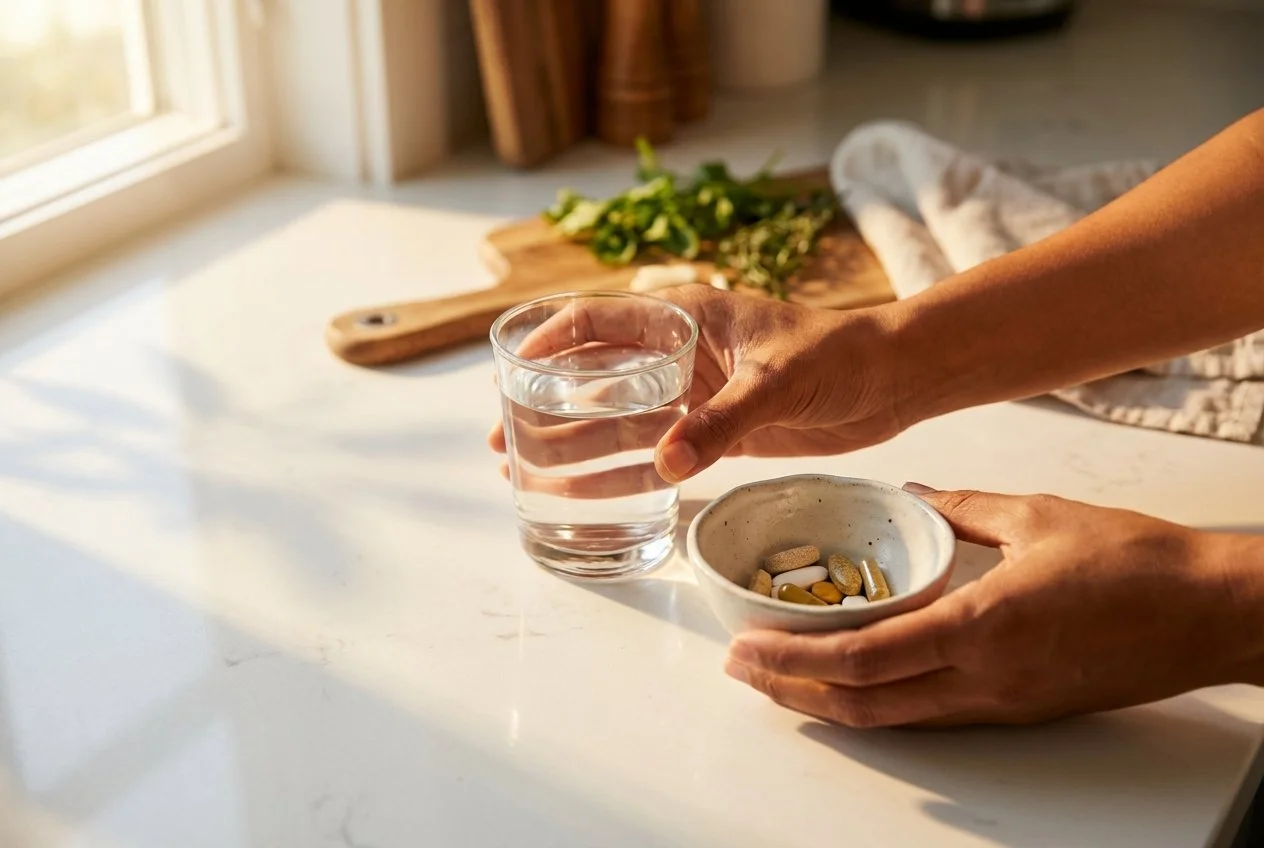
Taking proactive steps for immune health shifts the mindset from fear to empowerment.
Does stress actually make transmission more likely?
This is the cruel irony of HSV anxiety. The intense fear of passing the virus can create a state of chronic stress, which is one of the most well-documented triggers for immune suppression. When your cortisol levels are high, your immune system functions less efficiently. This can potentially lead to more frequent outbreaks or increased viral shedding, thereby increasing the very risk you are terrified of.
Understanding this connection is vital. Your mental state is not just a feeling. It is a biological factor in your viral management strategy. If you are constantly scanning your body for sensations or obsessing over every itch, you keep your nervous system in a fight-or-flight mode.
To break this cycle, we must prioritize nervous system regulation as much as we prioritize physical health. Simple practices like deep breathing, adequate sleep, and mindfulness can lower inflammation markers. When you treat your anxiety, you are also treating the virus. By calming the mind, you support the immune system in doing its job, which is keeping the virus dormant.
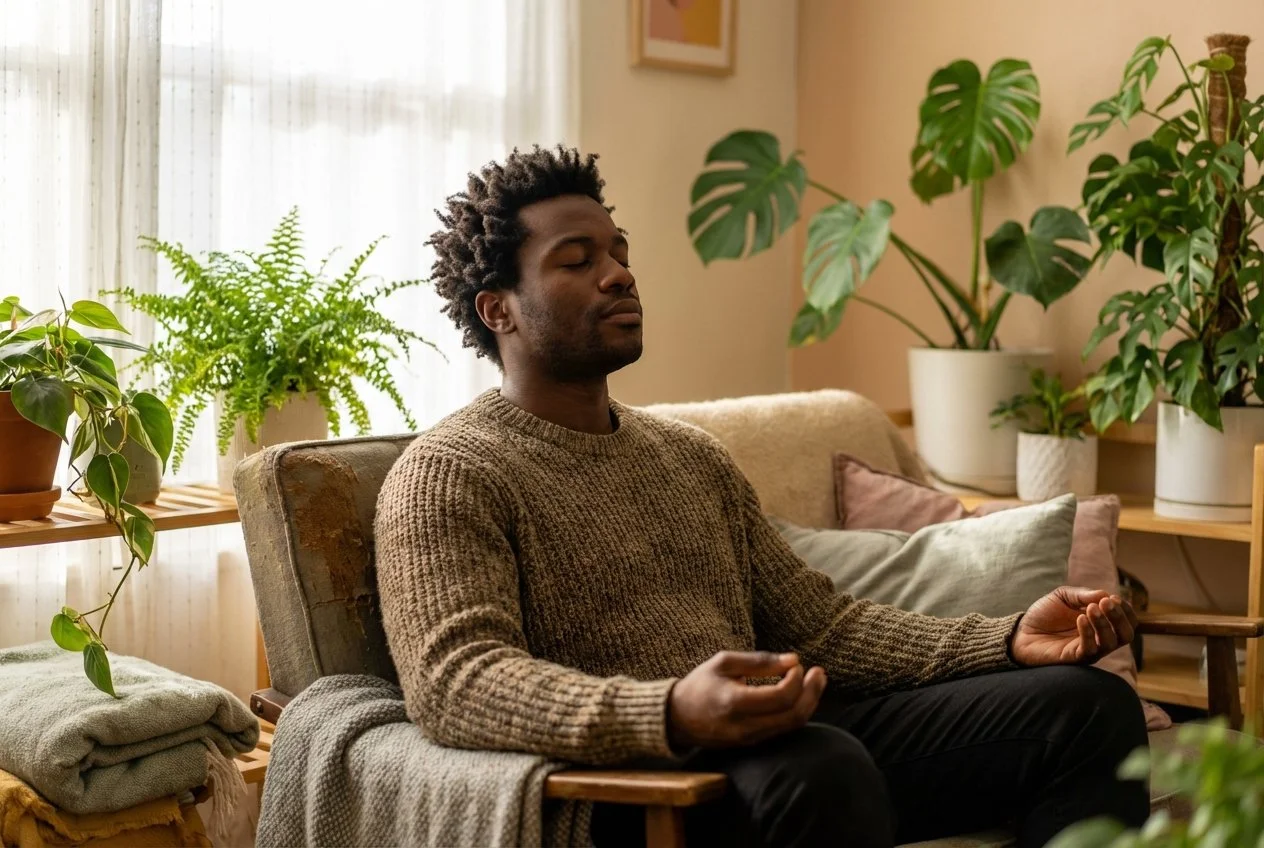
Calming the nervous system is a biological necessity for maintaining a strong immune response.
Can I have a normal love life without constant fear?
The short answer is yes. The longer answer requires a shift in perspective regarding what "safe" means. Absolute zero risk does not exist in any human interaction, whether it involves viruses, bacteria, or emotional vulnerability. Waiting for a 100% guarantee of safety often means waiting on the sidelines of life.
Building a normal love life starts with successful disclosure. When you disclose, you are not confessing a crime. You are offering your partner the agency to make an informed choice. You might be surprised to find that for many potential partners, your honesty and care for their well-being are more attractive than your viral status is scary.
When you approach intimacy, remember that you are more than a transmission risk. You are a whole person worthy of affection. Many couples navigate serodiscordant relationships (where one partner has HSV and the other does not) for decades without transmission. They achieve this through open communication, avoiding intimacy during prodrome symptoms (the tingling warning signs), and maintaining general health. If you are taking steps to support your immune health, perhaps by looking into supplements like monolaurin or Lysine alongside standard medical advice, you are already doing your part to be a responsible partner.

Intimacy is built on trust and communication, not just the absence of risk.
So, is a 100% guarantee necessary for happiness?
We often convince ourselves that we cannot be happy or relaxed until the risk is zero. But waiting for perfection is a trap. The desire for a "functional cure" or total transmission blockage is valid, but placing your life on hold until it arrives is a disservice to your present self.
The reality is that you can be a responsible, loving, and sexual being right now. You can take practical steps to lower risk. You can educate your partners. You can support your immune system. And most importantly, you can forgive yourself for having a common human virus. You are not "dirty" and you are not dangerous. You are simply a human being managing a health condition, just like millions of others.
To learn more about how to regain control over your health, visit Frustrated with Traditional Solutions?